
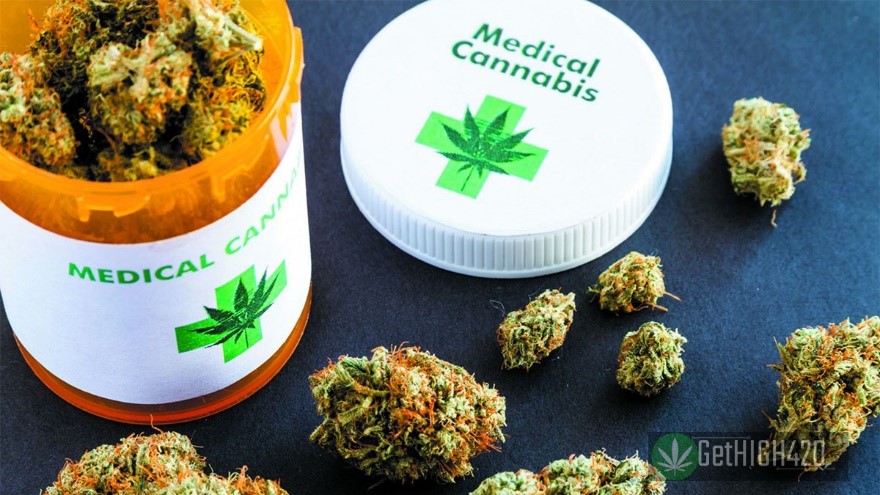
More and more anxious patients apply for a medical cannabis card in getting high in 420 and other marijuana legalized regions. According to the Anxiety and Depression Association of America, anxiety disorders are the most common mental illness in the USA, affecting about 18.1% of the population every year.
Anxiety is a mental health condition that can affect all corners of your life.
Panic about leaving your house, nervousness before giving a presentation, fear about meeting new people in the audience, etc., are some of the common conditions anxiety patients have to deal with.
Medical studies have found that cannabinoids (mainly THC and CBD) effectively relieve anxiety-like frustration, fear, and nervousness.
For this case, more and more anxious patients are applying for a medical cannabis card in getting high 420 and other marijuana legalized regions.
This post will discuss how exactly cannabinoids work for alleviating symptoms associated with anxiety & the best cannabis strains for this condition.
Some of the common symptoms of this condition are excessive worrying, trouble sleeping, fatigue, difficulty concentrating, irritability, panic attacks, anxiety about meeting new people, and irrational fears.
Cognitive Behavioral Therapy (CBT) and medication are considered effective treatments for anxiety, but the condition can also be managed with medical marijuana.
Medical cannabis’s benefits for treating anxiety can be better understood by studying the body’s endocannabinoid system (ECS).
The endocannabinoid system is a biological system that is responsible for performing various functions in the human body.
Researchers have found that the natural compounds in cannabis are called cannabinoids and can help relieve anxiety symptoms by interacting with the human brain’s receptors.
Cannabidiol (CBD), an essential non-psychoactive compound, provides significant effects for relieving anxiety.
CBD-rich cannabis can help in relieving pain, frustration, inflammation, anxiety, etc.
CBD helps in increasing 5-HT1A transmission and affects serotonin faster than SSRIs.
This is probably the reason that’s why CBD products are considered for overcoming the limitations of medical cannabis cards and prescribed anti-anxiety medication therapies.
The chemical structure of tetrahydrocannabinol (THC) is similar to that of the brain chemical anandamide (also called the bliss molecule).
THC binds to the cannabinoid receptors in the brain, thus altering brain function.
According to a study published in the Journal of Affective Disorders, smoking marijuana can reduce self-reported levels of anxiety, stress, and depression in the short-term.
However, the repeated use may not decrease symptoms in some patients and may increase depression instead.
Researchers have found that THC and CBD help fight anxiety at low doses, while higher doses may worsen the situation.
Medical cannabis card marijuana can also help in lowering the levels of cortisol.
It’s a hormone associated with any stress, and the lowered levels can relieve any stress and anxiety.
Here are some of the best strains effective to relieve anxiety-
It needs to be noted that cannabis affects different people differently.
Thus, you should examine how your body responds to different strains of medical cannabis and choose the best one for your situation.
You can also seek professional help to select Medical cannabis card strains when obtaining high-quality 420 med evaluations.
Anxiety is a common mental health condition affecting millions of American people.
Compared with medical treatments, cannabis has proven beneficial effects for relieving anxiety.
The cannabinoids in cannabis bind to the cannabinoid receptors in the human brain, thus altering different functions.
Different types of cannabis strains provide different effects.
Medical Cannabis Card: Benefits & How to Apply
A medical cannabis card allows qualified patients to legally purchase and use cannabis for medical purposes under state regulations. With a valid card, patients can access licensed dispensaries, higher possession limits, and potentially lower taxes compared to recreational users. The process usually involves consulting a certified healthcare provider, receiving a recommendation, and registering with the state’s medical marijuana program. Conditions that may qualify include chronic pain, epilepsy, PTSD, and other approved illnesses, depending on local laws. Having a medical cannabis card ensures legal protection, product safety, and access to lab-tested cannabis tailored to individual health needs.


